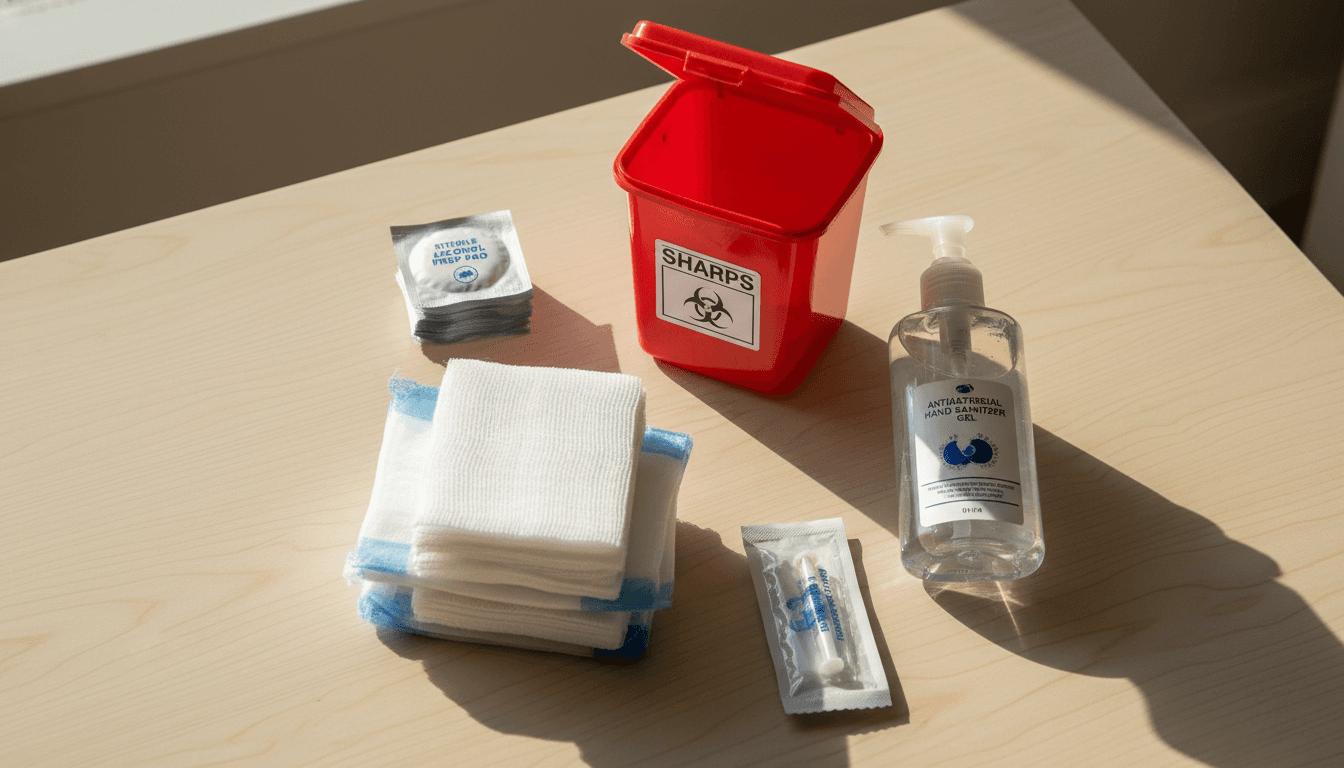
A pen is two kinds of waste at once. How to dispose of the medicine as well as the needle, and why the toilet is almost never the answer.
Key points
- 01One device, two waste streams. The needle is sharps waste and the medicine is drug waste, and a pen with liquid still in it is both at once. Almost every confusing answer online comes from mixing the two questions, so decide which one you are actually asking before you look up a rule.
- 02A take-back route is the default answer. The DEA runs national take-back days and lists year-round collection sites, and many pharmacies host a permanent kiosk. This is the route public health agencies name first for unused prescription medicine, and it removes the judgement calls that the other options require.
- 03The flush list is short and specific. The FDA publishes a named list of medicines it says may be flushed when no take-back option is available, and it exists because of overdose risk from a handful of drugs. GLP-1s and insulin are not on that list. If your medicine is not named there, the toilet is not the disposal route.
- 04Household trash is the fallback, with three steps. Where no take-back exists, FDA guidance for non-flush-list medicines describes mixing the medicine with an unappealing substance such as used coffee grounds, sealing it in a container or bag and putting that in the trash, then scratching out the personal details on the label. Anything with a needle still goes to sharps instead.
- 05Do not pass it on and do not stockpile it. An unused pen is prescribed to one person at one strength, and handing it to someone else is how the wrong-medication errors in our troubleshooting posts start. Keeping expired devices in the same drawer as current ones is the other half of that story. Clear them out on a schedule.
- 06Ask the pharmacy first, and keep a defective device. Pharmacies know which local routes exist and many accept medicines back directly. The exception is a device that failed: if the pharmacy or the manufacturer wants it returned for a complaint, keep it with its carton and lot number rather than disposing of it.
Frequently asked questions
Can I put an unused pen in the household bin?+
Not with a needle attached, that part is sharps waste. For the medicine itself, a take-back site is the preferred route, and FDA guidance describes trash disposal with mixing, sealing and label removal only as a fallback. Not medical advice.
Can I flush leftover medicine down the toilet?+
Only medicines on the FDA flush list, which is short, specific and does not include GLP-1s or insulin. For everything else, use take-back first and the trash method second.
Where do I find a take-back site?+
The DEA publishes a collection site locator and national take-back day dates, and many pharmacies run permanent kiosks. Calling your own pharmacy is usually the fastest single step.
Should I remove the label first?+
Scratch out or remove the personal information before anything leaves your house. Keep the lot number if the device failed and someone has asked you to return it.