How to give yourself a shot at home: a calm, step-numbered subcutaneous injection routine, from site choice to safe disposal. Not medical advice.
Key points
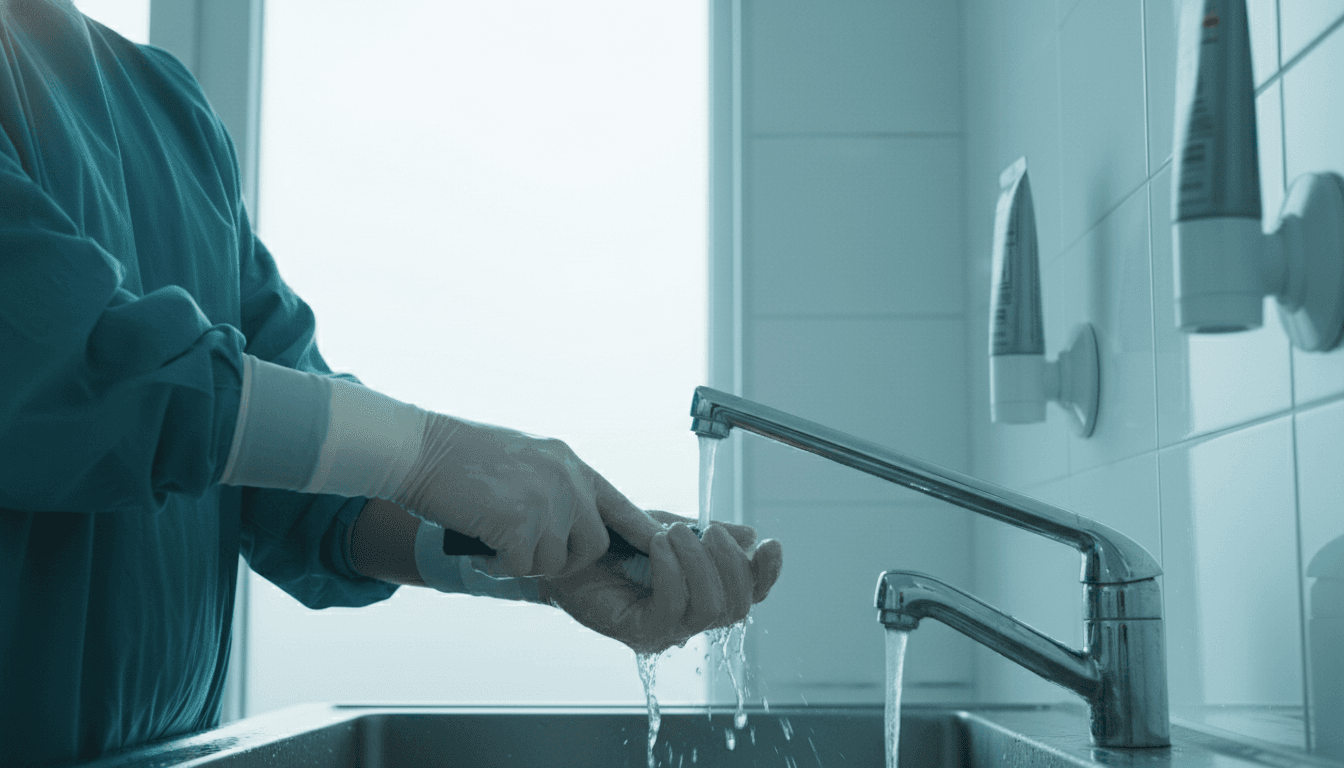
- 01Wash your hands. Wash your hands with soap and water for at least 20 seconds, or use an alcohol-based hand rub, and dry them. Clean hands are the single biggest thing you control against infection, and published injection-technique guidance puts hand hygiene first for a reason.
- 02Choose and rotate the site. The abdomen (a hand-width away from the navel), the front of the thigh, and the back of the upper arm are the usual subcutaneous sites. Move to a fresh spot each time rather than reusing yesterday's. The rotating injection sites guide shows a simple pattern that keeps the tissue healthy.
- 03Clean the skin and let it dry. Swab the chosen spot with the alcohol pad and let it air-dry for 10 to 15 seconds. Injecting through wet alcohol carries it into the tissue and is a common cause of stinging, so the drying step is not optional.
- 04Prepare the dose. With a pen, attach a new needle and prime or check the flow as its Instructions for Use describes. With a vial and syringe, draw up the prescribed amount and tap out air bubbles. The how to draw up medication from a vial guide walks through the syringe version.
- 05Pinch or stretch the skin. Whether you gently pinch a fold of skin depends on the needle length and your body. Short pen needles usually go into stretched skin at 90 degrees; longer needles may need a pinch. The how to pinch skin for an injection guide and the injection angle guide cover the choice.
- 06Insert the needle. Insert the needle in one smooth, confident motion rather than a slow push, which stings more. A quick, steady entry is more comfortable than hesitating. The needle goes into the fatty subcutaneous layer, not deep into muscle.
- 07Deliver the dose slowly. Press the plunger or the pen dose button at a steady, unhurried pace until the medication is fully in. Rushing the plunger raises the pressure in the tissue and can add to the sting. Let the device do the work at its own speed.
- 08Count, then withdraw. Keep the needle in the skin for several seconds after the dose is delivered, following the count your device's Instructions for Use gives (many pens describe about 6 to 10 seconds). Then pull the needle straight out at the same angle it went in. Withdrawing too early can leave part of the dose behind or let it leak.
- 09Care for the site and dispose safely. If a drop of blood appears, press a clean cotton ball to the spot without rubbing. Drop the used needle or syringe straight into the sharps container. The best sharps containers guide covers safe, legal disposal, and never bin or flush a loose needle.
Pre-injection checklist
- ✓Read the Instructions for Use that came with your specific pen or medication. The exact steps vary by device, and that leaflet is the governing source.
- ✓Confirm the medication, the dose, and the expiry date, then look at the liquid. Most subcutaneous medications should be clear, and a cloudy or discoloured solution with particles is a reason to set it aside.
- ✓This is a general technique reference, not medical advice. Your dose, your device, and whether self-injection is right for you are decisions for your prescriber.
- ✓If the medication was refrigerated, let it warm toward room temperature first. A cold dose is associated with more stinging in patient-education literature.
- ✓Open your sharps container and keep it within reach before you start, so the used needle never has to travel across the room.
After the injection
- Press a clean cotton ball or gauze to the site for a few seconds if it bleeds. Do not rub, which can bruise the tissue.
- Note the date and the site you used, so the next injection lands somewhere new.
- Leave the used needle in the sharps container. Never put loose needles in the bin or flush them.
Common mistakes
- Spreading redness, warmth, swelling, or pus at the site, or red streaks moving away from it, possible infection rather than a normal small reaction.
- A fever after an injection, especially with an inflamed site.
- Swelling of the face, lips, tongue, or throat, or trouble breathing, possible serious allergic reaction, seek emergency care.
- Feeling shaky, sweaty, or confused after injecting insulin or another glucose-lowering medication, possible low blood sugar.
- A hard, persistent lump under the skin at a favoured site, a sign to move your rotation and mention it to your prescriber.
Frequently asked questions
Does giving yourself a shot hurt?+
A subcutaneous shot with a modern short, thin needle is usually a quick pinch or barely felt. Letting the alcohol dry, using a fresh needle, injecting a room-temperature dose, and going in with one confident motion all reduce the sting. Sharp or lasting pain is worth mentioning to your prescriber.
Where is the easiest place to give yourself a shot?+
For most people the abdomen is easiest to reach and see, kept a hand-width away from the navel. The front of the thigh and the back of the upper arm also work for subcutaneous injections. The important part is rotating between spots rather than favouring one.
What angle should the needle go in?+
It depends on the needle length and your body. Short pen needles usually go straight in at 90 degrees, while a longer needle into thinner tissue may call for a 45-degree angle or a pinched skin fold. The subcutaneous injection angle guide covers how to decide.
Do I have to pinch my skin?+
Not always. A gentle skin pinch lifts the fatty layer away from muscle and helps when a needle is long relative to your tissue. With a short pen needle in an area with enough fat, injecting into stretched skin is often fine. The pinch skin guide explains the choice.
What do I do if the medication leaks back out?+
A small drop at the site is common and usually means very little medication was lost, so you do not re-dose. Holding the needle in for the full count before withdrawing reduces leaking. If leaking happens often, the injection leaking out guide covers the likely causes.